Screen Space Reflections (Screen Space Reflections / SSR) is a technical term that is extremely important in the rendering and optimization of game graphics (technical art). An explanation of advanced reflection technology that uses pixel data (color and depth values) already rendered on the screen to physically accurately calculate and draw dynamic, real-time reflections on the floor and water surface that are reflected in the camera.
Real world analogy: Place a ``real water mirror'' on the floor, and use ray marching (light trail tracking) to distort and copy the pixels of the scenery (buildings and people walking) that are currently visible in the camera's viewfinder onto the water surface
SSR (screen space reflections) href="/article/term-ray-tracing">Ray tracingIt is an ultra-advanced graphics hack method that intelligently uses only the pixel information currently displayed on the screen to project ``all the scenery currently visible to the camera (moving people, glowing neon lights, etc.) in a completely accurate position in real time on the floor or wall, without performing the ultra-heavy processing called ray tracing.'' When a car runs or a character jumps, their appearance is perfectly synchronized with the puddle on the floor and is beautifully reflected upside down in milliseconds, creating a wet visual scene with an overwhelmingly premium feel.
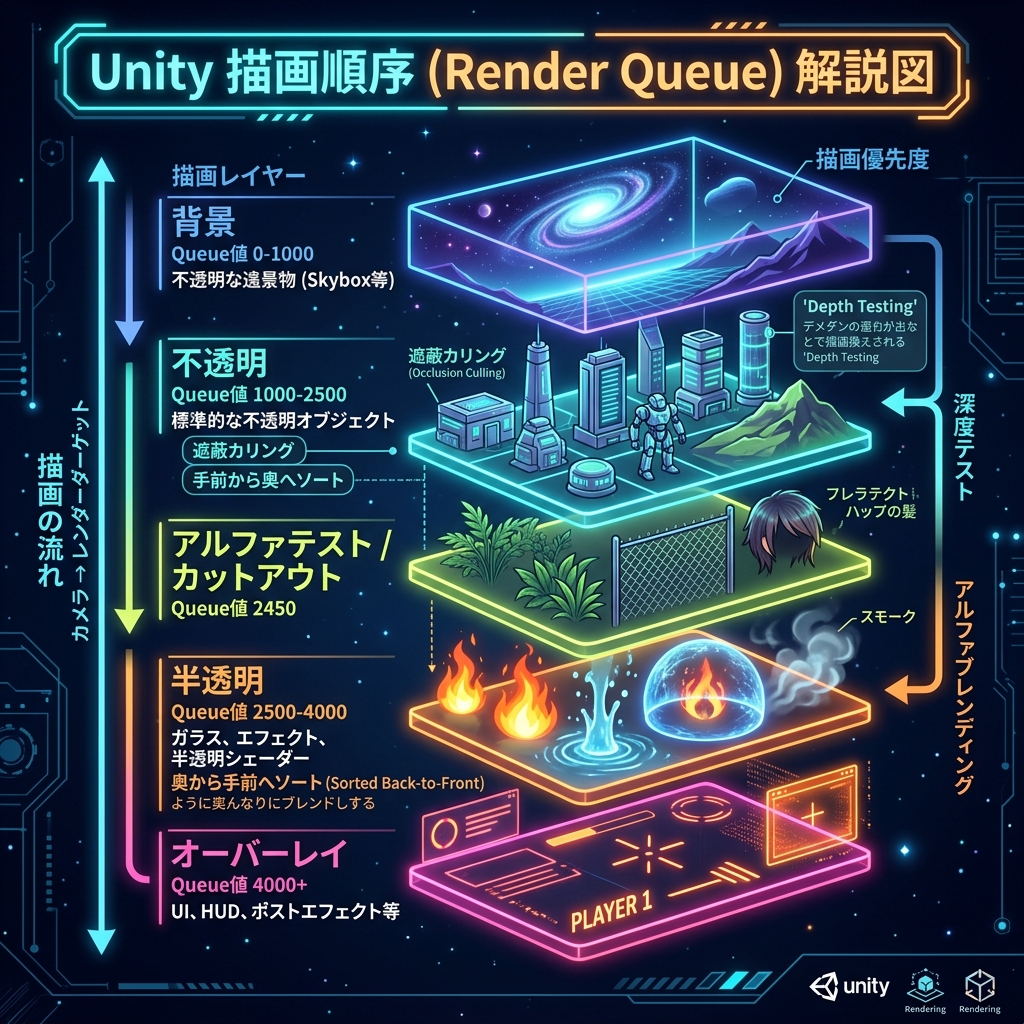
Illustration: Screen Space Reflections (Screen Space Reflections / Infographic that illustrates the basic processing flow and mechanism of SSR) in Japanese in an easy-to-understand manner
Detailed mechanism and operating principle
Enable "SSR, which calculates the line-of-sight vector of reflected light from the screen pixel information and tracks pixels on the screen, projecting perfect physical reflections on the floor, including dynamic objects.