Tonemapping (Tonemapping) is a technical term that is extremely important in rendering and optimizing game graphics (technical art). A processing technology that smoothly converts and compresses the ultra-high brightness color energy range of over 1.0 calculated by HDR rendering into the LDR color range of ``0.0 to 1.0'' that can be expressed by a normal monitor while preventing white collapse and color distortion.
Real world analogy: A press molding machine that "presses" a huge clay work (wide HDR information) into a flat specimen case (0-1 monitor screen) while preserving its beautiful shape
Tone mapping href="/article/term-hdr">HDR) into the narrow frame (0 to 1) that our home monitors can display, while preserving the most delicious light and dark gradation shape, while squeezing it in a smooth manner.'' This compression is not just using scissors to cut off the parts that exceed the limit (clamping), but is instead ``reducing the image by drawing a gentle curve according to the brightness (S-shape tone mapping)'', making it possible to see the fine details behind the pure white clouds and the delicate contours of the sunset beautifully even on the monitor.
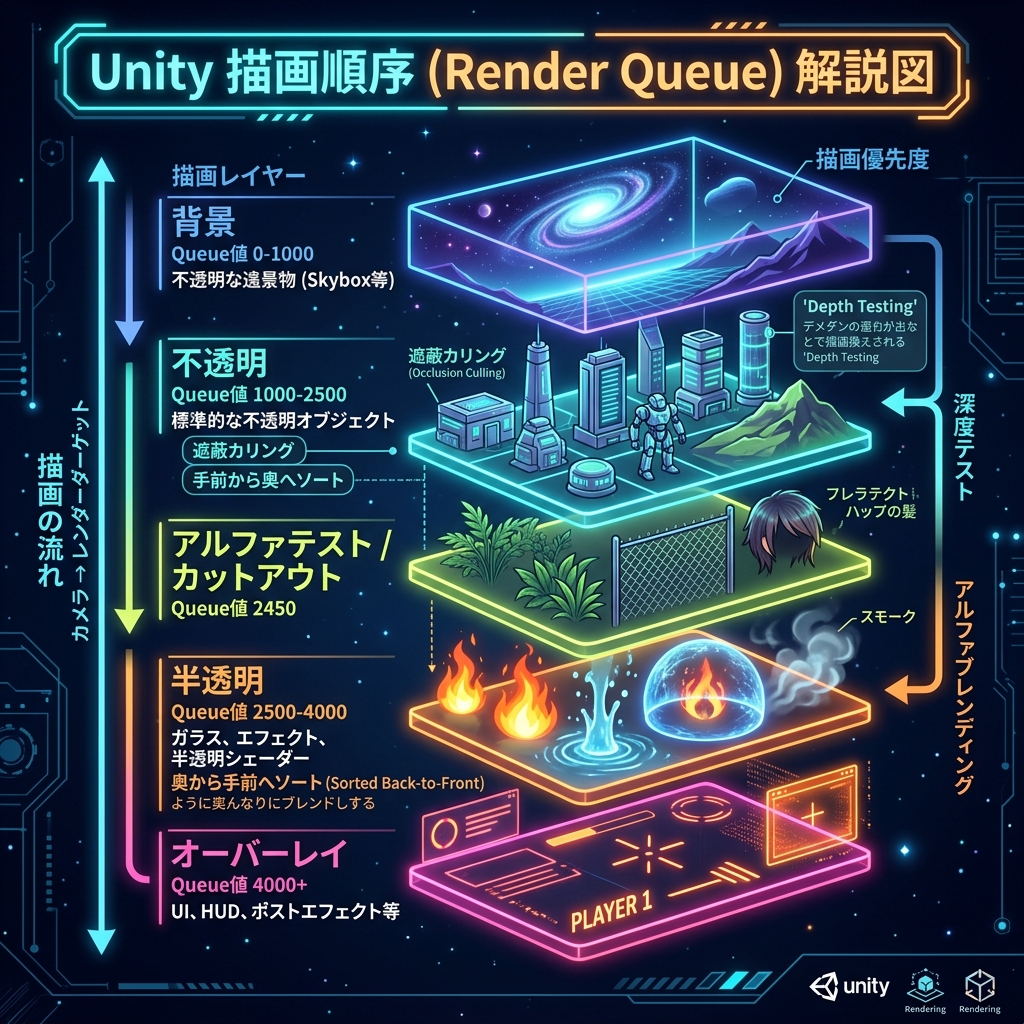
Figure: An infographic that clearly illustrates the basic processing flow and mechanism of Tonemapping (Tonemapping) in Japanese notation
Detailed mechanism and operating principle
Post processing Add "Tonemapping" to the volume and set the Mode to "ACES" or "Neutral" to optimize the light and dark gradation (S-shaped tone curve) for display output. Furthermore, you can adjust the color tone by linking with "Color Adjustments" etc.