White Balance (White balance) is a technical term that is extremely important in rendering and optimizing game graphics (technical art). In order to neutralize the effects of the color of the light source (reddish bulb light, bluish shadows, etc.) and to ensure that "naturally white" objects on the screen appear correctly white, color temperature (Temperature) and tone ( An explanation of the technology for precisely correcting href="/article/term-white-balance-tin">Tint).
Real-world analogy: The magic of color tones that allows you to freely control the temperature of the air throughout the world by snapping a ``warm color filter (orange)'' or ``cool color filter (blue)'' in front of the camera lens
White balance is a color system that reproduces and hacks the wonderful magic of adaptation of the human eye, which automatically corrects and recognizes ``white'' in the brain as ``white'' when a person looks at a ``white piece of paper'' under any light (incandescent light bulb, blue sky, etc.).'' By tilting this standard toward minus (blue), we can create a chilling cyber city or snowy country, and by tilting it toward positive (orange), we can instantly create a warm, nostalgic feeling like a living room where a family gathers.
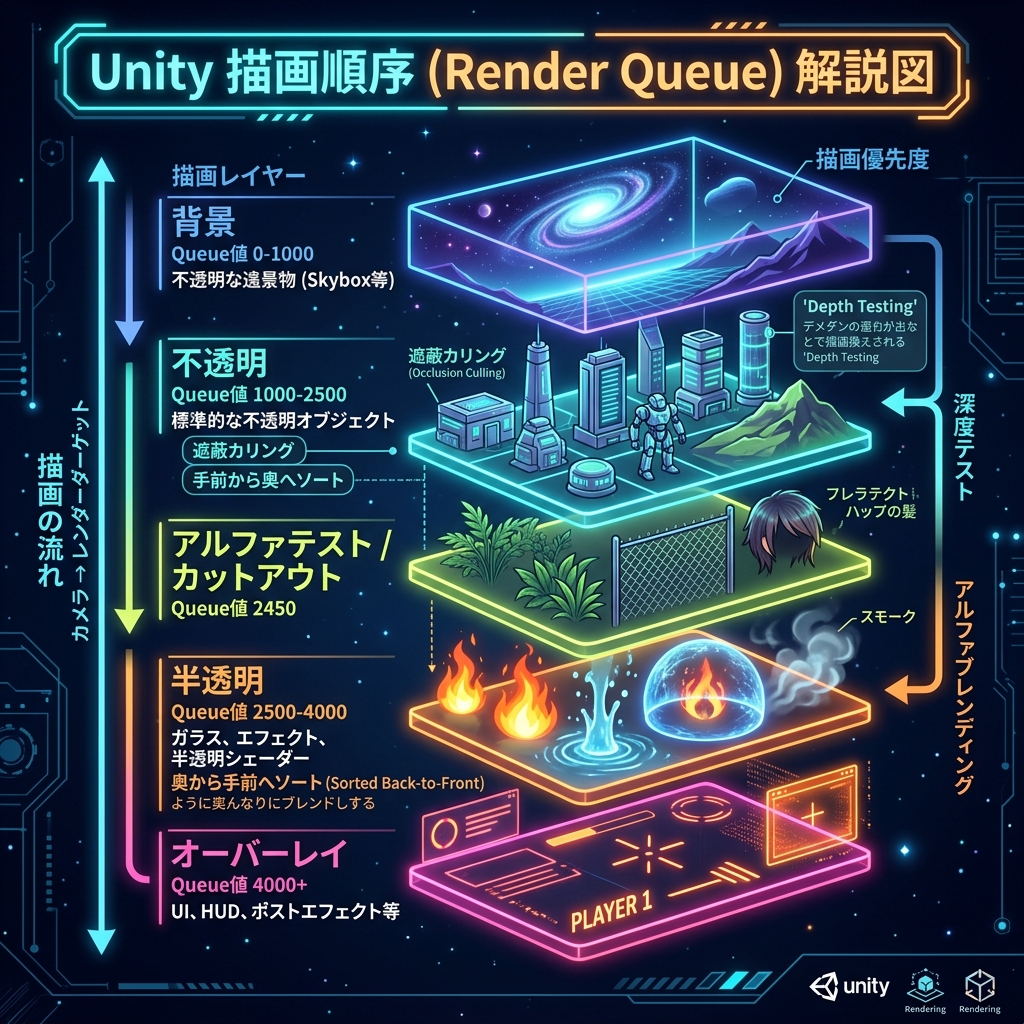
Figure: An infographic that clearly illustrates the basic processing flow and mechanism of White Balance (White Balance) in Japanese notation
Detailed mechanism and operating principle
Add "White Balance" to the Post Processing volume and Color Temperature slider to negative (blue side) or positive (red side) to set the optimal air temperature for the scene environment.